


The rural reality in a global crisis
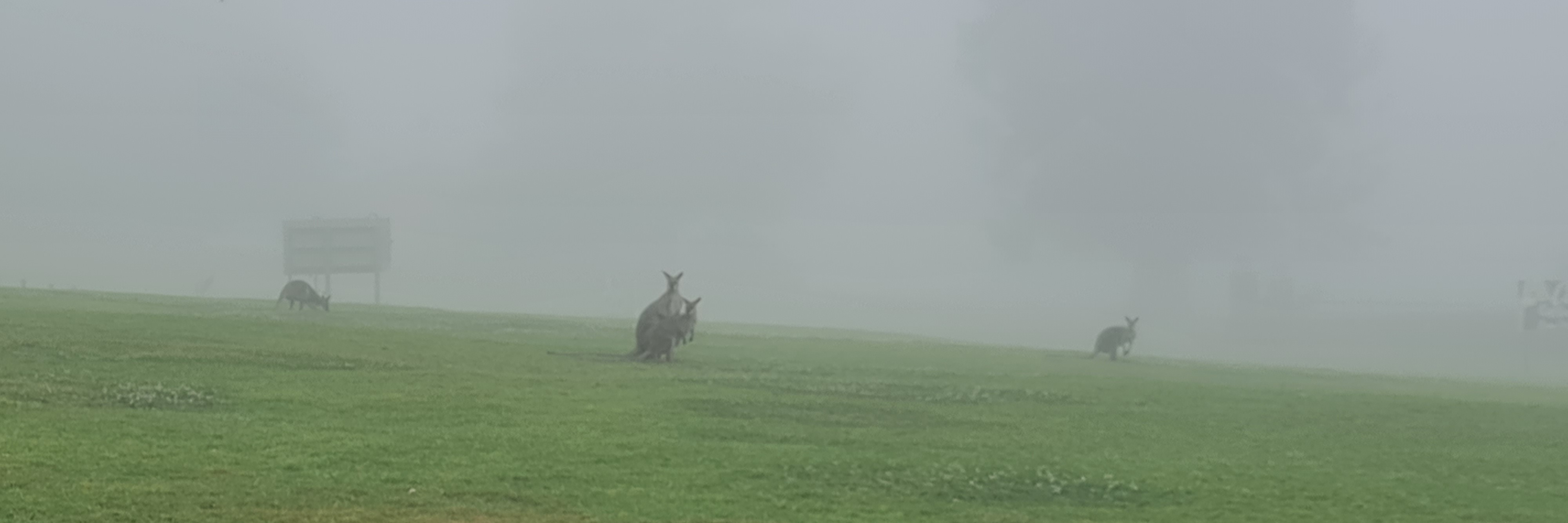
Photo credit: Bunya Mountains, QLD (Author, 2025)
There is a common assumption that rural areas are less directly affected by international conflicts because of geographic isolation, less densely populated areas and lower access to infrastructures and institutions. On this basis, rural communities are often portrayed as experiencing only indirect, delayed, or minimal effects of geopolitical instability – feeding into the narratives of ‘stagnant, immobile, and frozen-in-time’ landscapes. Yet the unfolding crisis in the Middle East demonstrates just how flawed and potentially damaging this assumption can be. As energy markets tighten and global supply chains are disrupted, urban and rural communities in Australia are already seeing significant impacts.
A number of current events across different states in Australia (New South Wales (NSW), Queensland (QLD), South Australia (SA) and Western Australia (WA)) illustrate this clearly. Australian farmers have warned they are on the brink of running out of diesel, with some towns already facing prices of $3 per litre (approx. £1.60). Several independent providers have reported being unable to secure deliveries as major wholesalers have restricted sales to contracted distributors.
Fears of rising fuel prices have triggered waves of panic buying (as we saw during the COVID-19 pandemic), exposing stark differences in the capacities of urban and rural residents to respond. Urban residents, with access to multiple suppliers and shorter distances between service hubs, can more readily secure fuel and essential goods, or travel to neighbouring areas when shortages arise. Rural communities, by contrast, are constrained by long distances, limited connectivity, and far fewer retail and distribution points. As supplies concentrate in cities and accessible regional centres, more remote areas are left increasingly vulnerable, highlighting how even geographically distant global crises can widen existing inequalities.
In some rural communities in Australia, petrol stations have already run completely dry, forcing local authorities and service station owners to ration fuel so that essential and emergency services can access it, leaving farmers unable to operate machinery, transport livestock, or sustain livestock operations. Many distributors are now receiving only a fraction of their usual allocations, while attempts by residents to stockpile fuel have introduced additional risks to both communities and supply chains.
As a consequence, these shortages are affecting entire regional economies. Trucking companies already have limited capacity to transport food and essential goods, while some farmers report they will exhaust remaining fuel within days. Independent distributors across NSW and QLD warn that cities are being prioritised at the expense of towns that heavily rely on agriculture and freight. Reports describe farmers running critically low on diesel, with some down to their final reserves and warning that “animals will start dying” and “crops are going to suffer” without urgent resupply.
As major fuel companies restrict deliveries and prioritise urban areas, many rural service stations, local councils, and transport operators are receiving no fuel at all, leaving farmers unable to plant, harvest, or transport goods. This situation has forced several towns to limit or ban community members from buying fuel entirely, restricting access to essential and emergency services that already serve as lifelines for communities where local banks, shops, post offices and even health services have long since disappeared.
Local leaders argue that these vulnerabilities reflect a general tendency to undervalue rural industries, despite their critical role in food production and economic stability, and warn that even a short interruption could cause damage that would take a year or more to repair. Together, these concerns highlight a harsh reality: without reliable fuel to power machinery, generators and vehicles, farmers cannot produce or deliver food, creating consequences that would be felt across the entire country.
These developments also challenge the idea that rural areas are insulated from global shocks. The Australian experience reveals a deeper layer of rural vulnerability to external forces, demonstrating how global conflicts can lead to disruptions, threatening food security, access to critical services and population mobility. It also raises important questions for Scotland’s rural, island and particularly farming communities, many of which are already stretched thin and working in challenging conditions.
If fuel disruptions resulting from conflict elsewhere in the world can cascade into immediate threats to agriculture, essential services and community mobility in everyday life, Scotland should also consider how prepared its own remote regions are for comparable shocks. There are ongoing conversations about long-standing challenges such as the rural premium, rural poverty, deprivation and the steady removal of services. Add to this the impacts of global conflicts in the short term, and the situation becomes potentially even more serious for the resilience of rural and island communities across Scotland.